Recommended reading for Kenjutsu and Japanese swordsmanship — technical manuals, historical surveys, and philosophy, ranging from beginner-friendly primers to serious academic texts. If you have a book you’d like to recommend, please contact us.

The Book of Five Rings
Miyamoto Musashi, translated by William Scott Wilson
The foundational text of Japanese sword strategy, written by the founder of Hyōhō Niten Ichi-ryū. Wilson’s translation is widely regarded as faithful to the 17th-century original while remaining clear and readable, and includes Musashi’s earlier text “The Way of Walking Alone.”
Best for: Anyone serious about Japanese swordsmanship — this is the essential starting point.

The Book of Five Rings: Including The Book of Family Traditions on the Art of War
Miyamoto Musashi & Yagyu Munenori, translated by Thomas Cleary
Cleary’s accessible translation of Musashi’s classic, bundled with Yagyu Munenori’s own treatise on strategy and leadership — a text steeped in Zen and Taoist thinking on the way of the warrior.
Best for: Readers who want Musashi and Yagyū Shinkage-ryū philosophy in one volume.

Legacies of the Sword: The Kashima-Shinryu and Samurai Martial Culture
Karl F. Friday & Seki Humitake
An academic study of Kashima-Shinryū, one of the oldest surviving koryu, combining historical research with firsthand knowledge from the school’s own headmaster. Reviewers consistently describe it as dry but essential — a serious reference rather than a casual read.
Best for: Serious students of koryu bujutsu wanting real depth on Kashima martial culture and history.
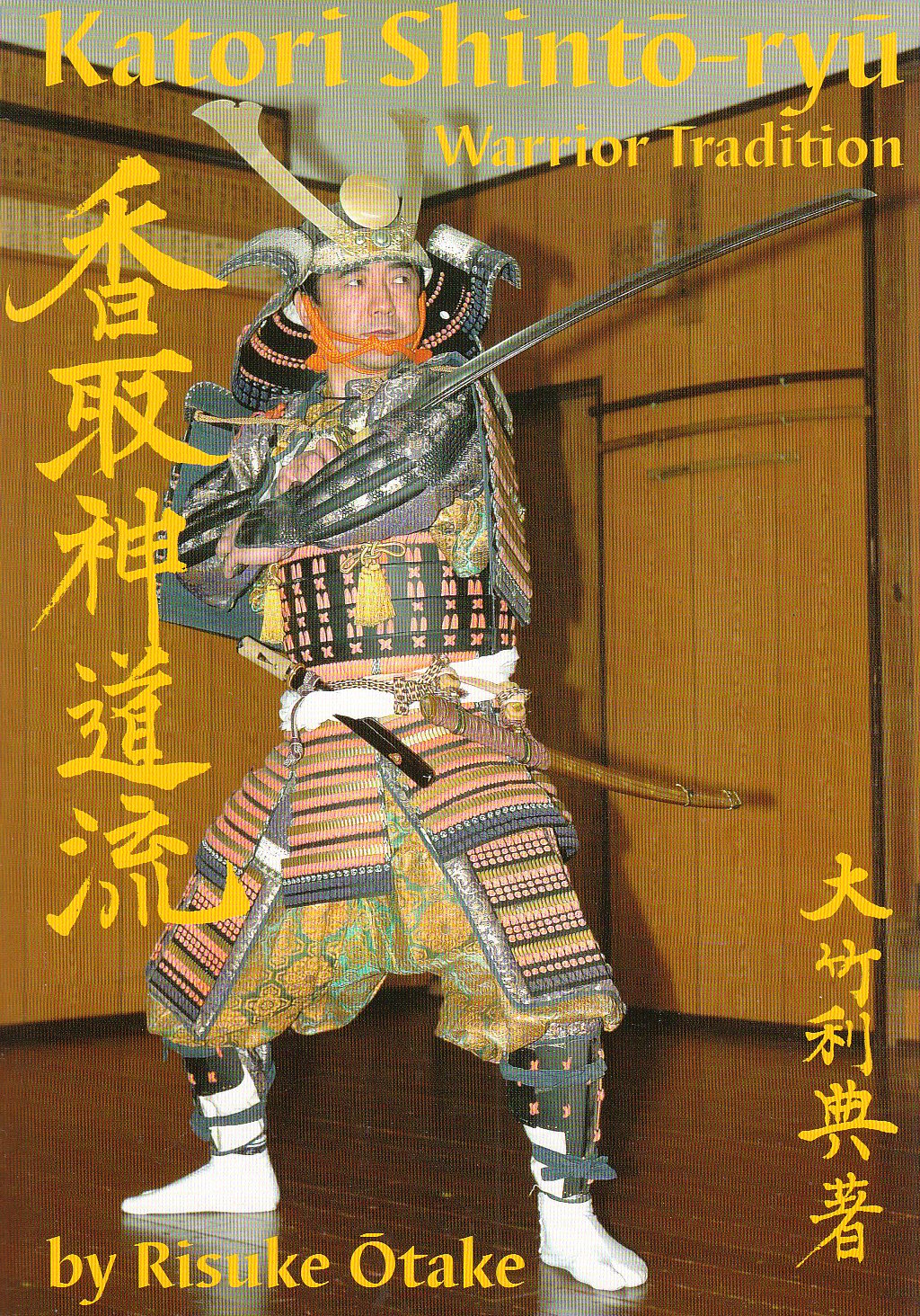
Katori Shinto-ryu: Warrior Tradition
Risuke Otake
Written by a senior teacher of Tenshin Shoden Katori Shinto-Ryu, this covers the history and tradition of the school in more depth than a purely technical manual — a natural companion to the Kamae book below.
Best for: Readers wanting the historical and cultural context behind Katori Shinto-Ryu specifically.
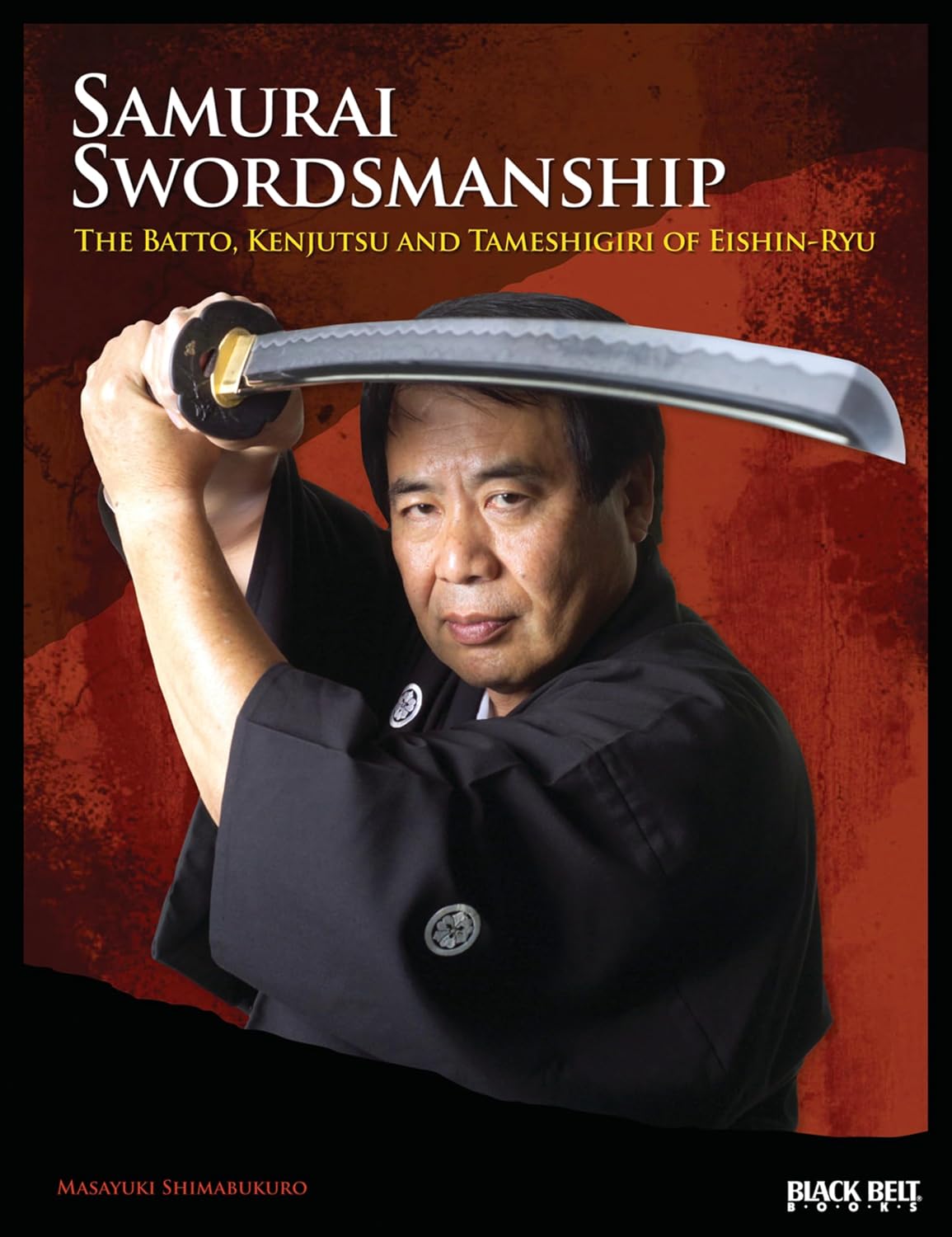
Samurai Swordsmanship: The Batto, Kenjutsu, and Tameshigiri of Eishin-Ryu
Masayuki Shimabukuro & Carl Long
A technical manual from two highly credentialed Eishin-Ryu iaido teachers, covering etiquette, footwork, striking, countering, and tameshigiri (test cutting), illustrated throughout with photography.
Best for: Practitioners wanting a structured, photo-heavy reference for Eishin-Ryu batto and iaijutsu fundamentals.

Kenjutsu: The Art of Japanese Swordsmanship
Charles Daniel
An early-1990s introductory text covering basic grip, stances, and simple attacks and parries. Readers are split: some call it a solid entry point, others find the photography dated and the content thin next to newer titles.
Best for: Curious beginners wanting a very basic, low-cost primer — not recommended as a standalone or advanced resource.
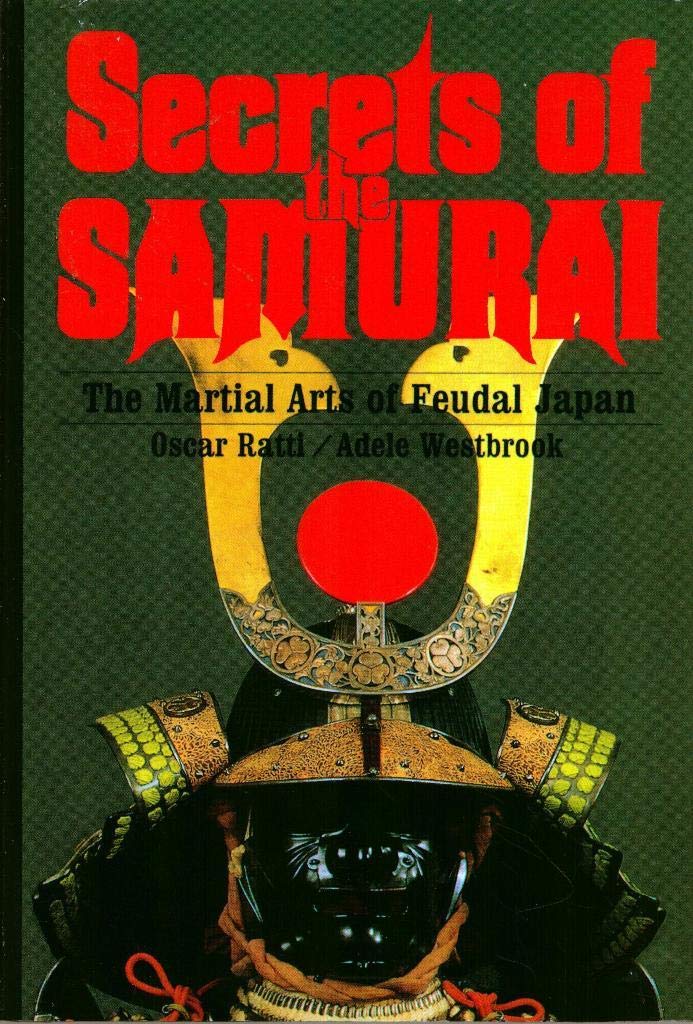
Secrets of the Samurai: A Survey of the Martial Arts of Feudal Japan
Oscar Ratti & Adele Westbrook
A dense, widely respected historical survey covering the full range of feudal-era bujutsu — armed and unarmed — plus the strategic and philosophical dimensions of samurai training. Consistently cited as one of the more comprehensive English-language references on the topic.
Best for: Readers who want serious historical and cultural context, not just technique.

Japanese Sword Fighting: Secrets of the Samurai
Masaaki Hatsumi
Written by the founder of the Bujinkan system himself. Covers classical technique — including two-sword fighting, ninja kenpo, and no-sword (mutodori) forms — alongside Hatsumi’s reflections on bushido and budo philosophy.
Best for: Anyone training in or curious about the Bujinkan lineage specifically, given the author.
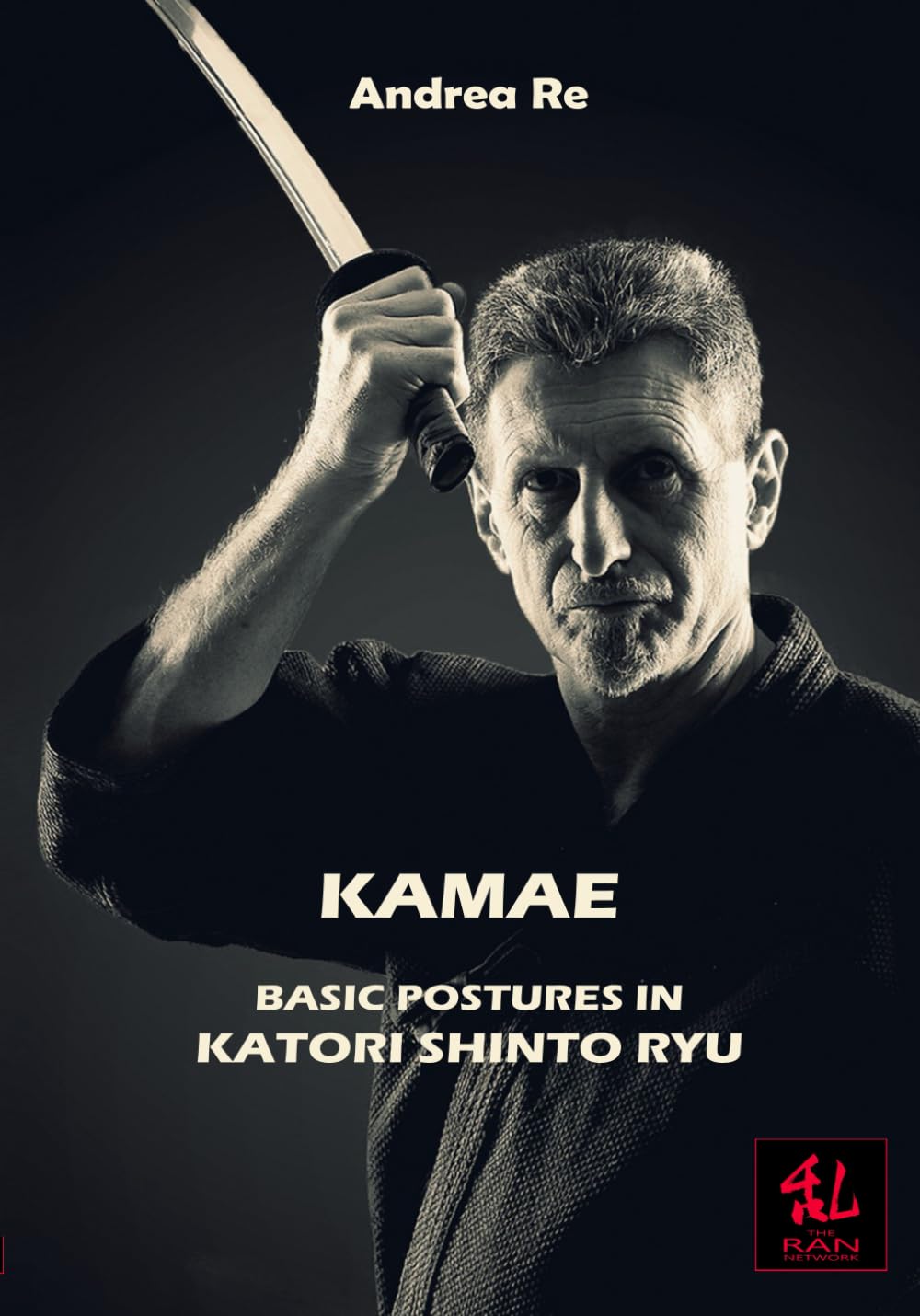
Kamae: Basic Postures in Katori Shinto Ryu
Andrea Re
A focused technical guide to kamae (stances/postures) in Tenshin Shoden Katori Shinto-Ryu, one of the oldest continuously active koryu. Reviewers particularly note it explains the why behind each posture, not just the steps.
Best for: Practitioners of Katori Shinto-Ryu specifically, or anyone wanting a rigorous approach to stance work in general.

The Twelve Rules of the Sword
Ito Ittosai, translated by Eric Shahan
A short translated text on Itto-Ryu sword philosophy, paired with a related 16th-century manual from Ittosai’s own teacher. Light on physical technique, heavier on mindset and principle — readers note it rewards multiple readings.
Best for: Students wanting primary-source philosophy rather than a technical manual.

Practice Drills for Japanese Swordsmanship
Nicklaus Suino
A supplemental drill book — both solo and two-person bokuto exercises — meant to fill the gap between formal class instruction and independent practice. Was a long-running #1 title in Amazon’s fencing category.
Best for: Anyone without regular access to an instructor who needs structured solo or partner practice material.

The Art of the Japanese Sword: The Craft of Swordmaking and its Appreciation
Yoshindo Yoshihara, Leon & Hiroko Kapp
A detailed, full-color look at swordmaking from a third-generation master smith — steel, forging, hardening, and how to properly view and appreciate a finished blade.
Best for: Collectors and anyone who wants to understand what they’re actually looking at when they examine a sword.
Hagakure: The Book of the Samurai — Unabridged and Fully Illustrated
Yamamoto Tsunetomo
The classic 18th-century bushido text — reflections on loyalty, duty, and death dictated by a retired samurai turned monk. This edition markets itself as more complete than older fragmentary translations.
Best for: Philosophical and cultural reading rather than technical training.
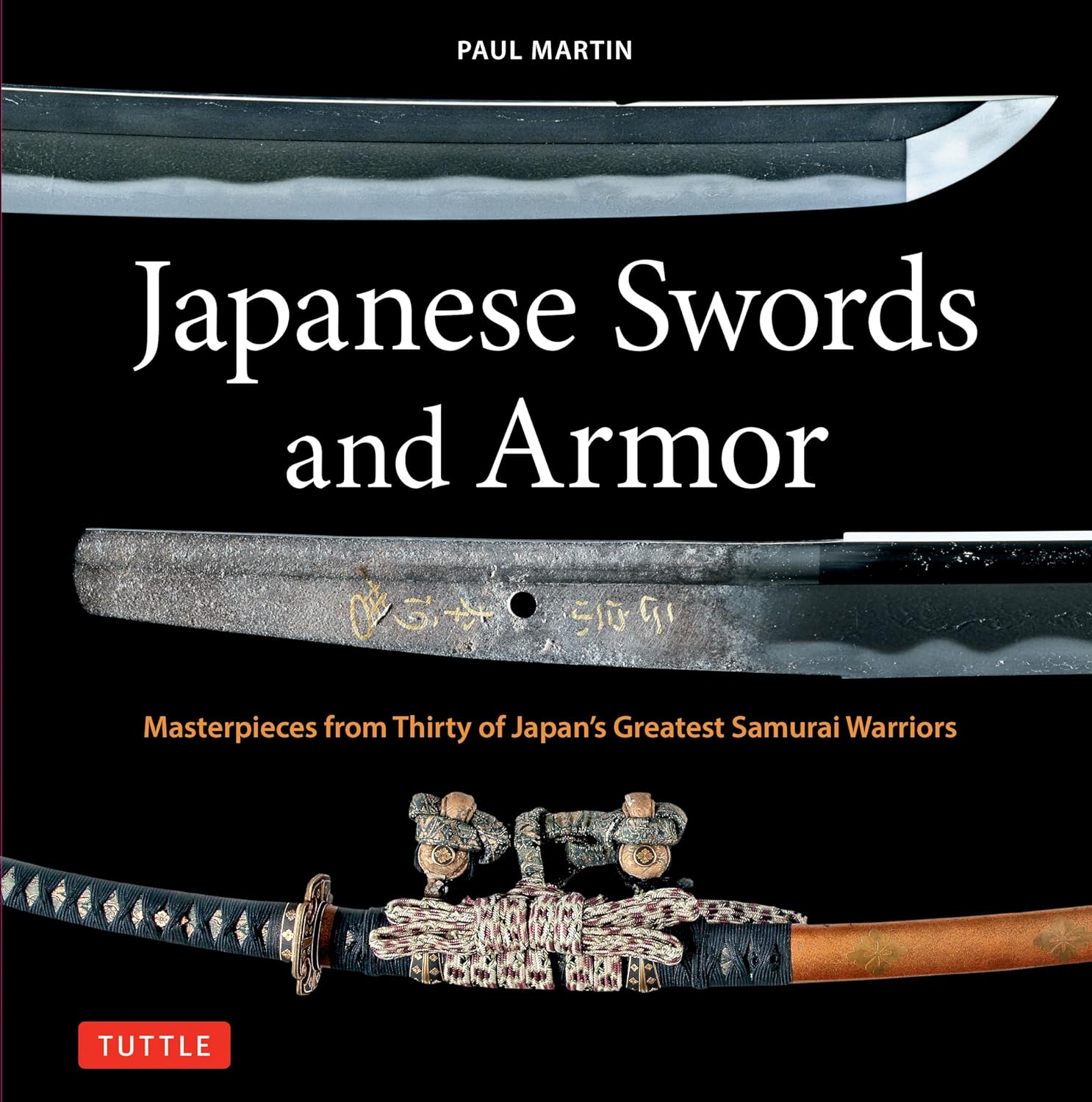
Japanese Swords and Armor: Masterpieces from Thirty of Japan’s Most Famous Samurai
Paul Martin
Written by a former British Museum curator, this profiles real swords and armor owned by historical figures like Musashi and Tokugawa Ieyasu, many classified as National Treasures. Now fully published (November 2024).
Best for: Readers interested in specific historical artifacts rather than technique or philosophy.
Are you an author or publisher who’d like a book considered for this page? Contact us.
Book cover images courtesy of Open Library.
Leave a Reply